Shoe Product Photography: How to Shoot Footwear for E-commerce (2026 Guide)
The angles every shoe listing needs, why footwear is harder to photograph than it looks, what a traditional shoot costs, and how to create on-foot and lifestyle shoe photos with AI from a single product photo.
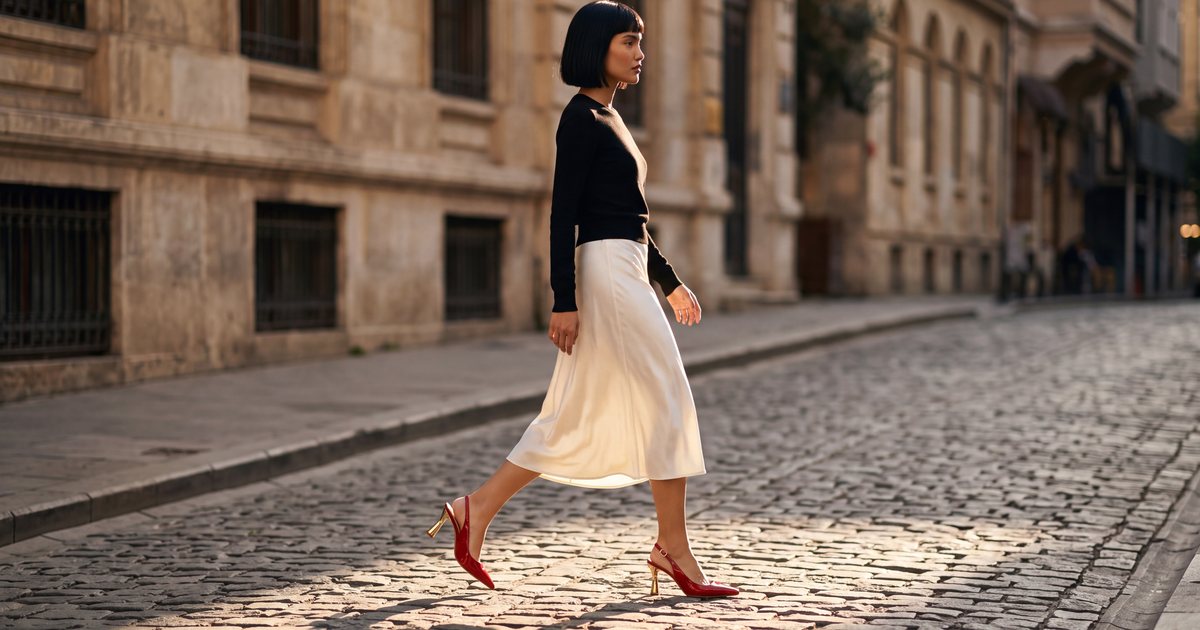
Short answer: A shoe listing needs 5-7 images: side profile (the main image), three-quarter front, top, back heel, sole, a close-up of material or detail, and at least one on-foot or lifestyle shot. Footwear is hard because of the pair composition, glossy leather reflections and getting the scale right on the foot. With an AI studio like NOX, one clear photo of the shoe is enough to generate clean-background main images, on-foot shots and lifestyle scenes, starting from $22 a month.
Shoes sell on shape, material and how they look worn. Buyers zoom in on the stitching, check the sole and want to picture them on their own feet. That is why footwear listings with weak photos lose more sales than almost any other apparel category. This guide covers what to shoot, the common mistakes, and how to do it with AI.
The angles every shoe listing needs
- Side profile (outer side): The classic main image. Toe pointing left is the convention on most marketplaces.
- Three-quarter front: Shows the toe shape and the depth of the shoe at once; often the most persuasive frame.
- Top view: Shows the opening, lacing and insole.
- Back / heel: Heel height and heel counter shape.
- Sole: Grip pattern and material; essential for sneakers and boots.
- Detail close-up: Stitching, texture, logo, buckle or hardware.
- On-foot or lifestyle: The shoe worn, with a matching outfit, in a real setting. This is the frame that converts.
For pairs, the common composition is one shoe in profile with the second slightly behind at an angle, so the buyer sees both the side and the front.
Why footwear is hard to photograph
- Reflections: Patent and polished leather mirror every light source; white sneakers blow out easily.
- Shape: Shoes collapse without stuffing; a soft shoe photographed empty looks cheap.
- Scale on foot: In on-foot shots the shoe has to sit at a believable size on the foot and leg. Oversized or tiny shoes are immediately noticed.
- Volume: A collection with dozens of colorways means hundreds of frames, and every one needs the same lighting and angle.
What a traditional shoot costs
A studio shoot for footwear typically bills per angle per colorway, plus models (hand or foot models for on-foot shots), location for lifestyle images, shipping and retouching. For a collection of 20 styles in 3 colors, that is 60 products and 300+ frames, which is weeks of work and a significant budget for a small brand. Our detailed breakdown: AI product photography cost
How to create shoe photos with AI
- Take one clear photo of the shoe: Plain background, even light, the whole shoe in frame, stuffed so it keeps its shape. A phone is enough.
- Upload to NOX Studio: Use the Studio tool for clean-background main images that follow marketplace rules.
- On-foot shots: The On-Model tool puts the shoe on a model with a matching outfit. Pick the framing that shows the shoe, not the face.
- Lifestyle scenes: The Concept tool places the shoe in a setting: city pavement, a gym floor, a beach boardwalk, a wooden floor next to a bag.
- Check every frame against the product: Sole color, logo position, lace color and stitching must match your reference. If a detail drifts, regenerate.
The rule that matters most: the better your reference photo, the better the result. A blurry or partially cropped shoe photo gives the AI room to guess. More on this in how to create AI product photos.
The frames below were made with exactly this workflow: one product photo, studio shots with and without a model on the same set, then a lifestyle scene with the same model:
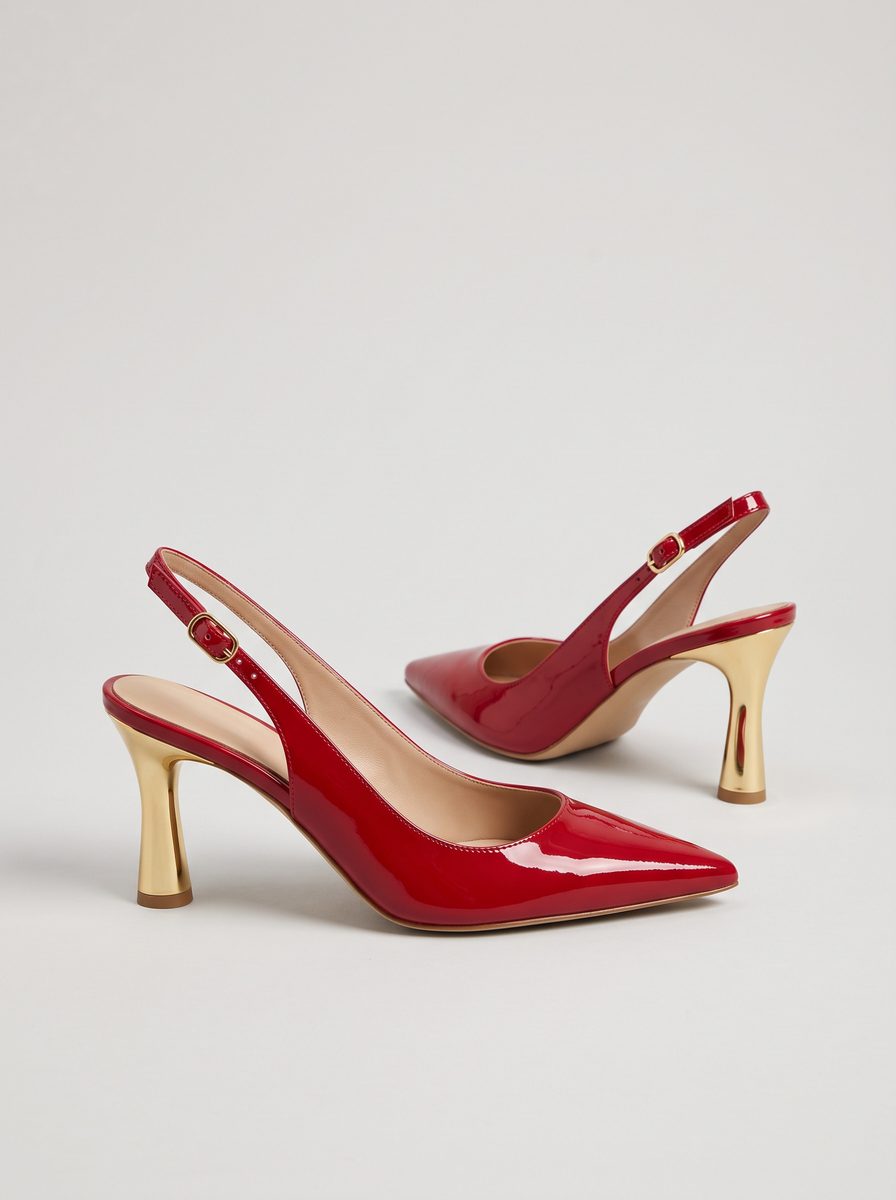
The starting point: one clear photo of the pair on a plain background.
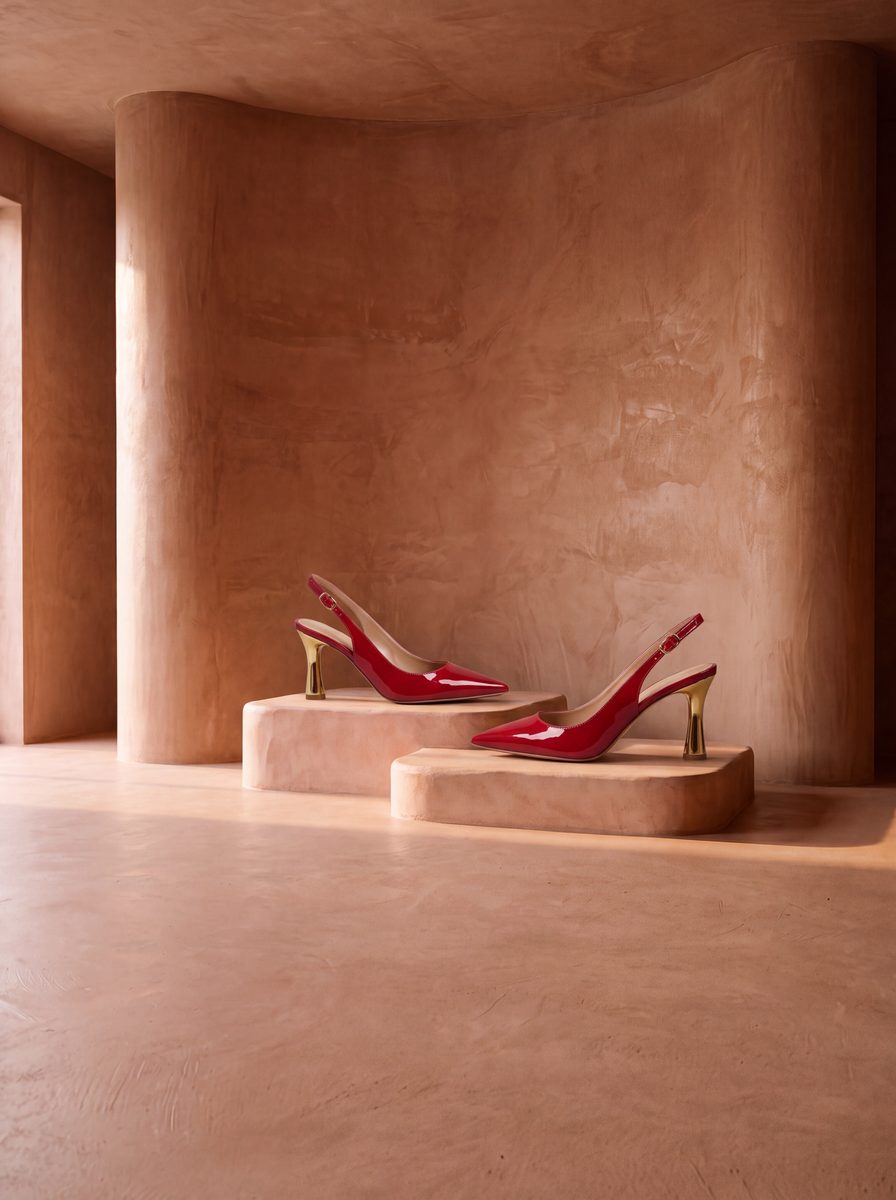
Studio shot without a model: the shoes on a brand-styled terracotta set.
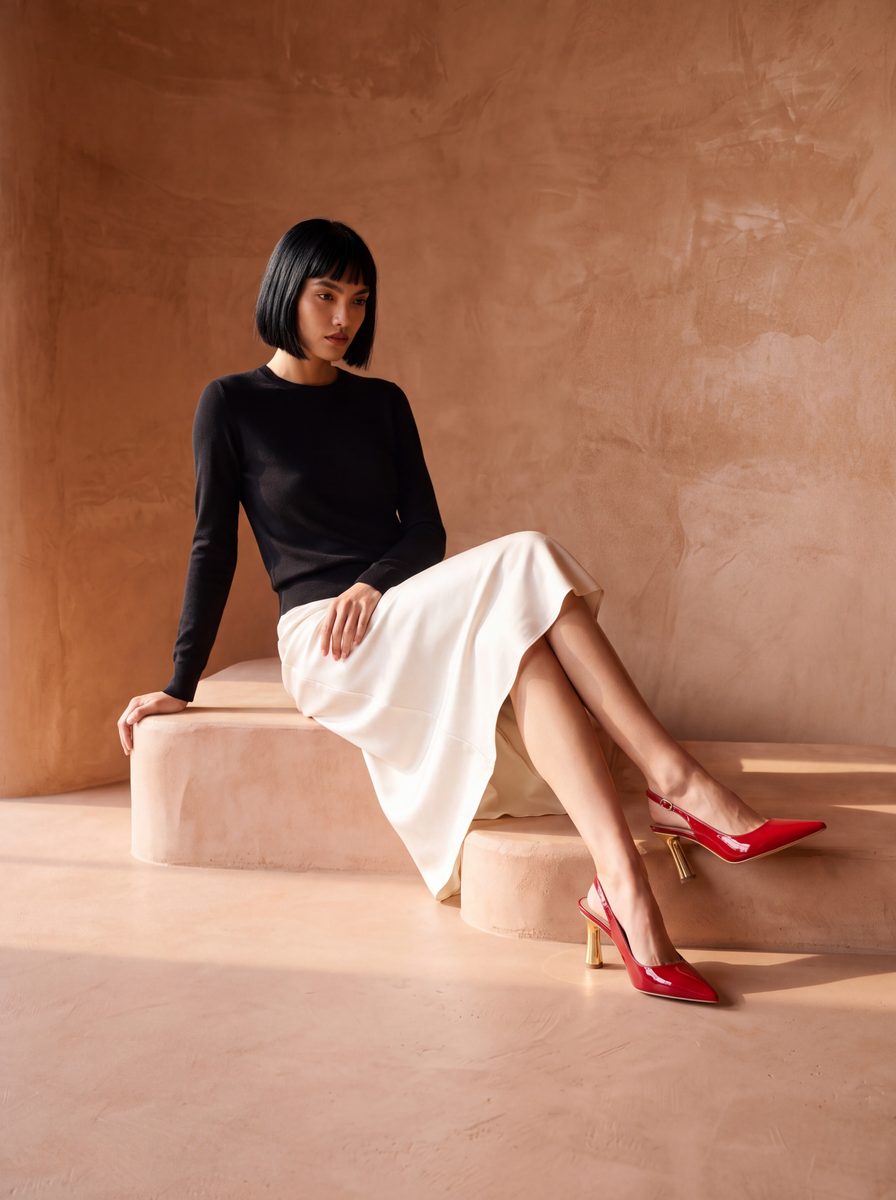
Studio shot on model: same set, same backdrop. Crossed legs put the pointed toe and gold heel forward.
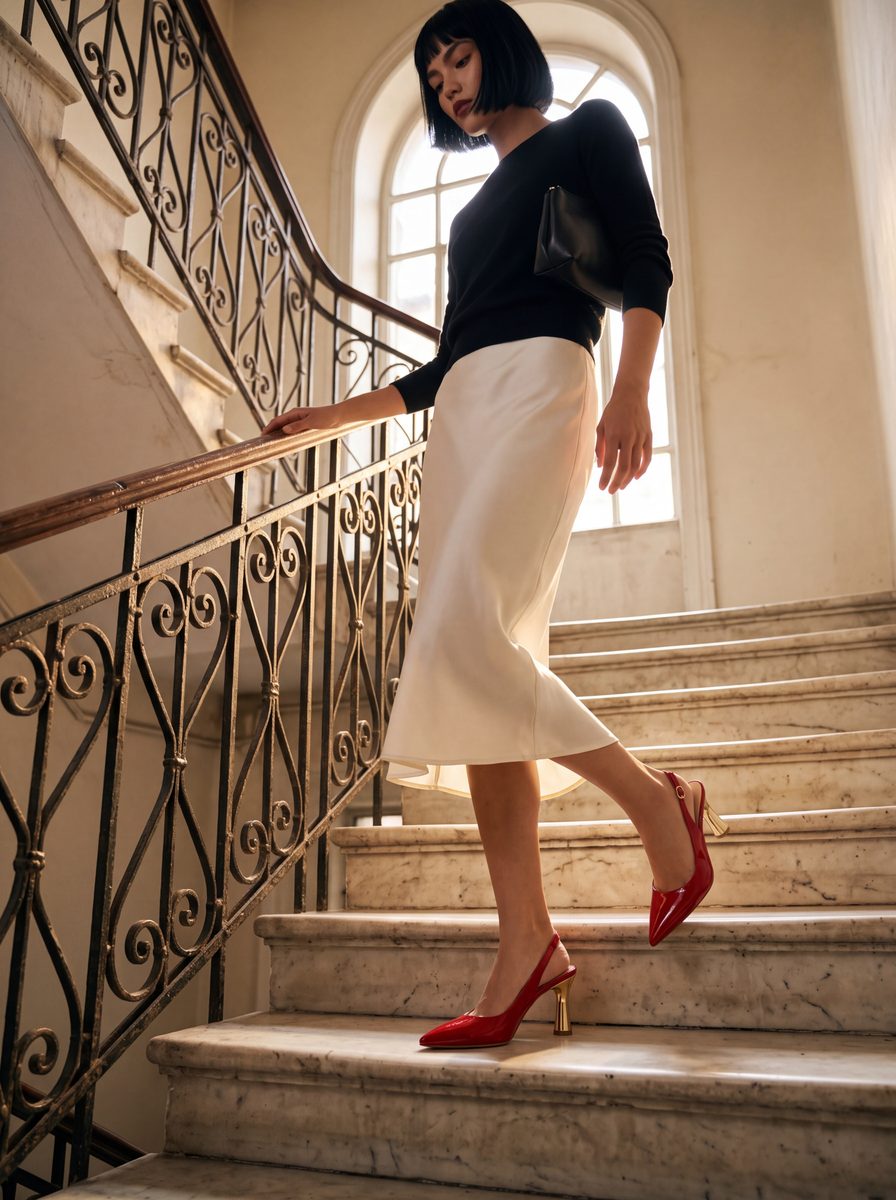
Lifestyle: the same model descending a marble staircase in Galata. Camera at step level, the shoe is the hero.
Common mistakes in shoe listings
- Only one angle: buyers can't judge the toe shape or sole and leave.
- Different light and background for each colorway: the storefront looks like a marketplace dump, not a brand.
- No on-foot image: the shoe stays abstract; the buyer can't picture wearing it.
- Over-retouched leather: plastic-looking texture reduces trust and increases returns.
Rather not do it yourself?
If you have a large footwear catalog and would rather hand it over, our team produces the whole series for you: main images, on-foot and lifestyle shots, even short ad films. Email [email protected] with your product count. How our done-for-you service works
Frequently asked questions
What is the best angle for a shoe main image? The outer side profile with the toe pointing left is the standard main image on most marketplaces. The three-quarter front angle is the best second image because it shows toe shape and depth together.
How many photos does a shoe listing need? At least 5, ideally 7: side, three-quarter front, top, back, sole, detail and an on-foot or lifestyle shot.
Can AI create on-foot shoe photos? Yes. From one clear product photo, an AI studio like NOX can generate the shoe worn by a model with a matching outfit. Always compare the result against the product for logo, sole and color accuracy.
Do I need a professional photo of the shoe first? No. A sharp phone photo on a plain background with even light is enough as a reference. Stuff the shoe so it keeps its shape.
How much does AI shoe photography cost? NOX plans start at $22 a month, and everyone gets free generations at signup with no card required. For large catalogs, our team can produce the whole series for a custom quote.
Ready to create your own shoots?
Studio, model and campaign visuals from a single product photo.
Rather not do it yourself? We'll produce it for you.
ServiceSend us your products and our team creates and delivers the photos and ad videos for you. We have delivered catalog series of hundreds of products and realistic ad films for jewelry and apparel brands.
How it works