How to Prepare Product Photos for E-commerce and Instagram (2026 Guide)
The right product photo sizes, formats and steps for Shopify, Instagram and marketplaces. Platform-by-platform size table and practical tips.
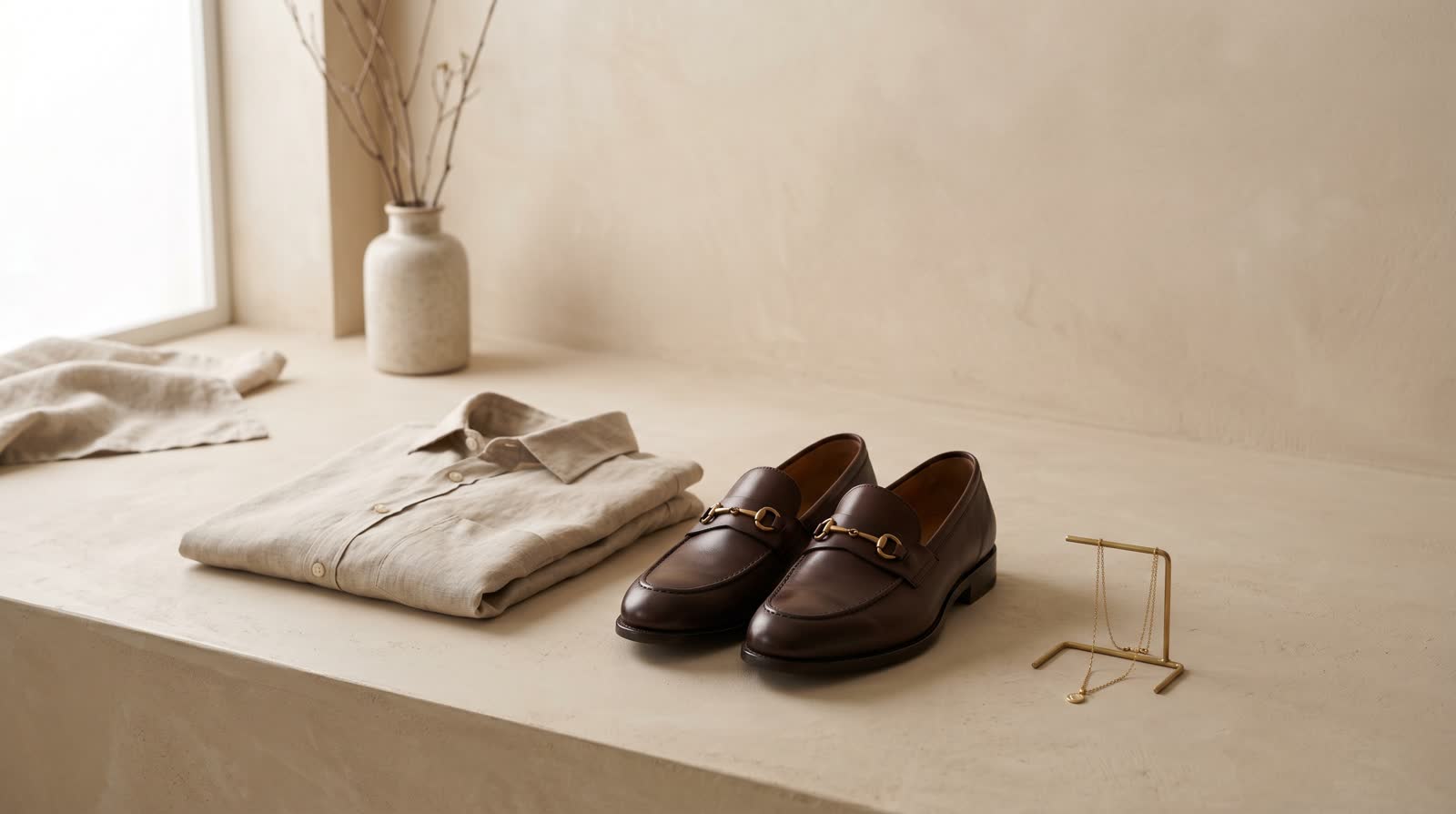
Short answer: When preparing product photos for e-commerce and Instagram, two things matter most: the right format and consistency. Use square (1:1) for marketplaces like Amazon and Etsy, vertical 4:5 (1080×1350) or 3:4 (1080×1440) for Instagram feed posts, and 9:16 for stories and reels. As of 2026, Instagram's profile grid displays posts at 3:4, so vertical wins. A clean background, a clearly visible product, and the same visual language across the whole catalog directly lift conversion. With AI, you can produce all of these formats from a single product image in minutes.
No matter how good the product is, a bad photo kills the sale. The customer can't hold the product; they decide from the image alone. And every platform has its own size and format rules: a frame that looks great on Instagram can get cropped on a marketplace. This guide walks through how to prepare the right product photo, platform by platform.
Product photo sizes, platform by platform
Each sales channel recommends a different aspect ratio and resolution. Producing the right format from the start avoids later cropping and quality loss:
| Platform | Recommended ratio | Size & note |
|---|---|---|
| Marketplaces (Amazon, Etsy, etc.) | 1:1 (square) | Clean/white background, product centered, 2000 px+ |
| Instagram feed post | 4:5 or 3:4 | 4:5 = 1080×1350 (feed standard); 3:4 = 1080×1440 now matches the profile grid exactly |
| Instagram story / reels | 9:16 | 1080×1920, full-screen vertical |
| Shopify / your own store | Vertical 4:5 / 3:4 | Same ratio across all products; vertical fills more of the mobile screen |
| Web banner / campaign | 16:9 | Location and mood-driven campaign visuals |
2026 note: Both marketplaces and Instagram now reward vertical imagery. Instagram moved its profile grid from square to 3:4 vertical, so square (1:1) posts now take up less space in both the feed and the grid.
Tip: If you need multiple formats from the same product, producing each one in its native ratio is always better than cropping a single frame. Cropping breaks composition and the product's position.
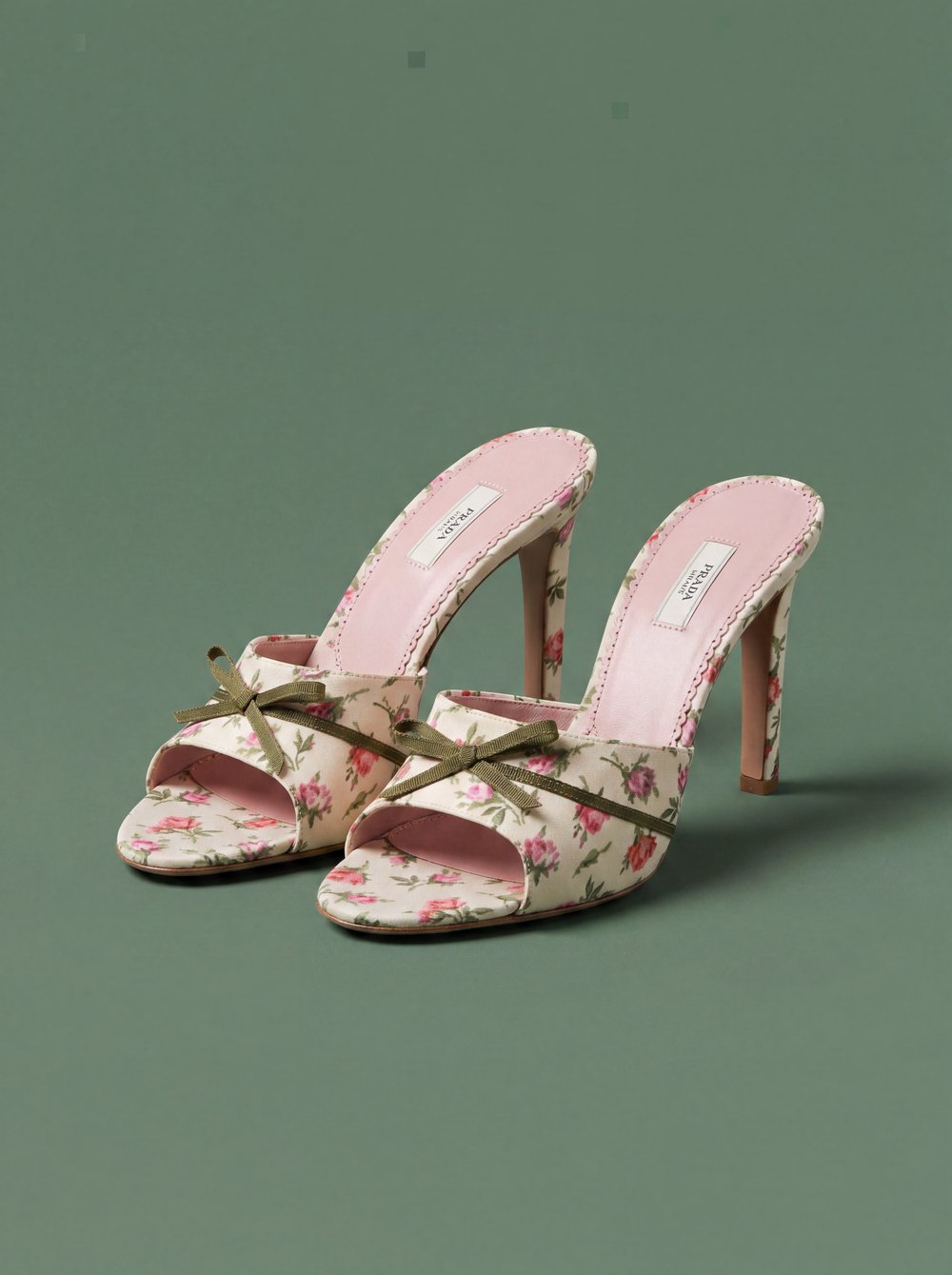
A clean, vertical studio frame for marketplaces: plain, neutral background, product sharp. Made with NOX Studio.
Step by step: preparing product photos for e-commerce
1. Start with a clean source image
Even a single shot from your phone is enough. What matters: the full product is visible, the lighting is good, and the focus is sharp. Whether you edit traditionally or generate with AI, this first step determines the quality of the result.
2. Choose the shot type by purpose
- Product page / marketplace: a clean studio frame (1:1), plain background.
- Instagram & social: on-model or editorial, mood-driven visuals.
- Campaign / launch: concept shots with locations and styling.
3. Produce in the right format
Pick the target platform's ratio up front (square, vertical, story). Prepare each format separately for each channel from the same product.
4. Keep it consistent
The same backdrop, the same lighting feel and, where possible, the same model across the whole catalog. When customers browse between pages, it should feel like one brand.

An editorial product image produced in vertical format for social media. Made with NOX Editorial.
Five traits of a strong e-commerce product photo
- Sharp and high resolution: texture and detail should hold up when the customer zooms in.
- Clean, distraction-free background: a plain background is standard on marketplaces; the product should stand out.
- Accurate color: the on-screen color must match the real product; wrong color means returns.
- Multiple angles: front, side, detail, and ideally on-model.
- Consistent visual language: the whole catalog in the same style and format, which builds brand trust.
What to watch for in Instagram product photos
On Instagram, the winning image isn't the one that merely "shows the product"; it's the one that conveys a feeling. Lifestyle and on-model shots stop the scroll more than flat studio frames. Use vertical (4:5), show the product clearly in the first frame, and repeat your brand's color/mood world in every post. A consistent feed builds trust and brand recall.
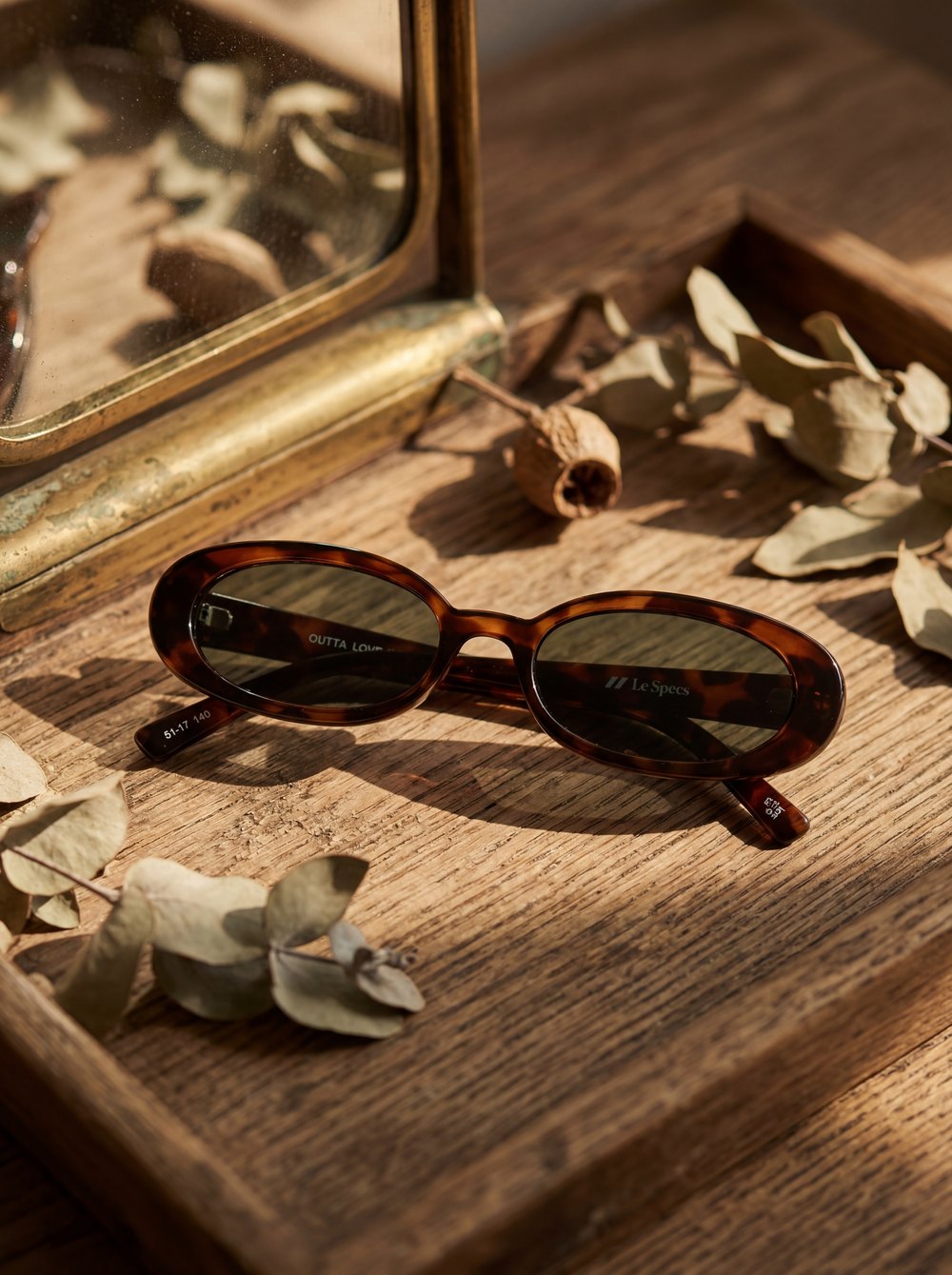
A product-specific concept scene for an accessory. Made with NOX Concept.
How AI speeds this up
The traditional way means a separate shoot and a separate edit for every platform and format. With AI, you produce studio, on-model and editorial shots, in square, vertical and story formats, from a single product image in minutes. You lock the same model and brand language across the whole catalog, and you don't re-shoot everything every season. We covered the cost side in detail in this comparison.
Frequently asked questions
What size should product photos be for marketplaces? For marketplaces the ideal format is square (1:1), with a clean/white background and high resolution. The product should be centered, sharp, and on a distraction-free background.
What size should Instagram product photos be? For Instagram feed posts, the vertical 4:5 ratio (1080×1350) is the standard, and 3:4 (1080×1440) now matches the profile grid exactly so it displays without cropping. For stories and reels, use full-screen vertical 9:16 (1080×1920). Square 1:1 now takes up less space in both the feed and grid.
How do you take e-commerce product photos? Start with a clean source image, choose the shot type by purpose (clean studio for product pages, on-model/editorial for social), produce in the target platform's format, and keep a consistent visual language across the catalog. With AI tools you can generate all of these formats from a single image.
Do I need different images for different platforms? Yes. Each platform recommends a different ratio (marketplace 1:1, Instagram feed 4:5 or 3:4, story 9:16). For the best result, produce each format in its native ratio rather than cropping a single frame.
Do I need an expensive studio to look professional? No. With AI studios you can produce studio-quality, multi-platform visuals from a single phone shot, with no studio, photographer or model required.
Why does consistency matter so much? Because a consistent visual language makes your catalog feel like one professional brand. The same model, the same lighting and the same format build trust and brand recall, which directly lifts conversion.
Ready to create your own shoots?
Studio, model and campaign visuals from a single product photo.