Eyewear Product Photography: How to Photograph Glasses and Sunglasses (2026 Guide)
The angles every glasses listing needs, how to deal with lens reflections and transparent frames, why on-face shots sell eyewear, and how to create on-model and lifestyle eyewear photos with AI from a single product photo.
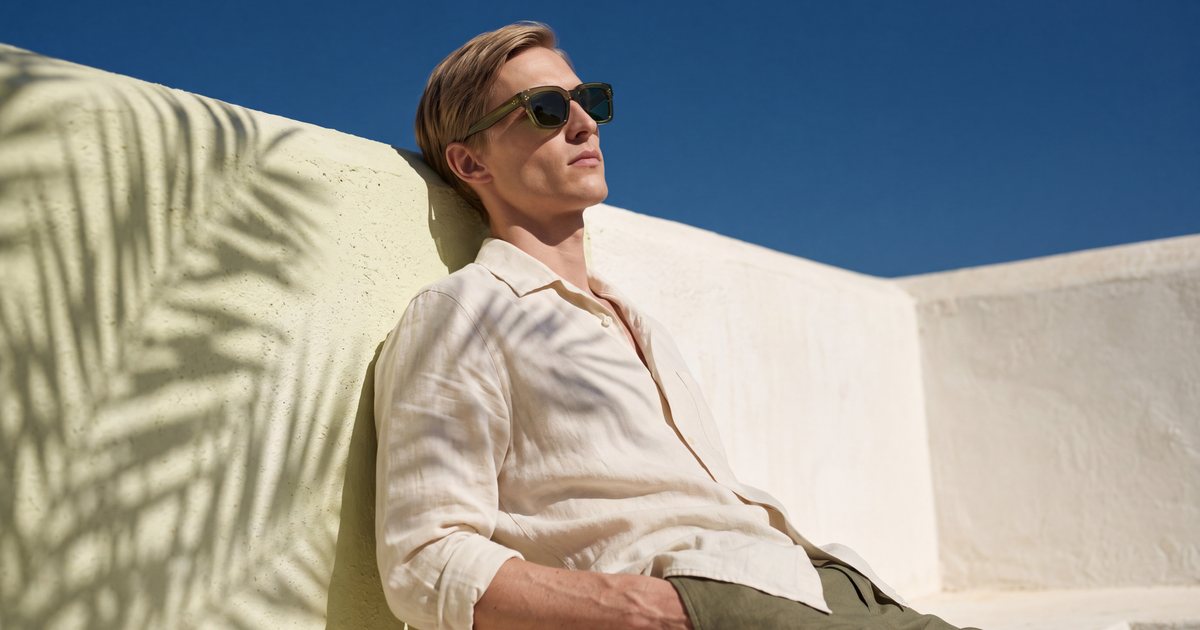
Short answer: An eyewear listing needs a front view (main image), a three-quarter angle, a side view showing the temple, a folded shot, a close-up of the hinge or logo, and at least one on-face shot so the buyer can judge size and fit. The hard parts are lens reflections, transparent acetate frames and showing the frame at its true size on a face. With an AI studio like NOX you can create clean-background main images, on-model and lifestyle shots from one clear product photo, starting from $22 a month.
Glasses are bought for the face. A buyer looking at a frame online is asking one question: "how will this look on me?" A flat product photo answers half of it. The other half is the on-face shot, and it is also the shot most small eyewear brands skip because booking models for every frame is expensive.
The angles every eyewear listing needs
- Front view: The main image. Frame centered, temples open, lenses facing the camera.
- Three-quarter angle: Shows frame thickness and the curve of the front.
- Side view: The temple design, logo on the temple, the angle of the frame.
- Folded: How the glasses look closed; shows the hinge and the inside of the temples.
- Detail close-up: Hinge, logo, acetate pattern, nose pads.
- On-face: The frame worn by a model, front and three-quarter. This is the shot that sells.
- Lifestyle (sunglasses especially): Beach, terrace, city street, car. Sunglasses are bought for a mood as much as a frame.
Why eyewear is hard to photograph
- Lens reflections: Lenses act like mirrors; you see the studio, the photographer and the lights in them.
- Transparent and tortoiseshell frames: Clear acetate disappears against a white background; tortoiseshell patterns lose detail in harsh light.
- Tinted and mirrored lenses: The lens color has to look right, and mirrored lenses reflect everything around them.
- True size on the face: An oversized frame and a narrow one must look different on the model. If every frame looks the same size, the buyer can't choose and returns go up.
Showing size and fit correctly
- List the three numbers: Lens width, bridge width and temple length (for example 52-18-145), plus total frame width.
- Same model, same framing: When every frame is shown on the same face with the same crop, buyers can compare sizes across the catalog.
- Check generated on-face shots: With AI, compare the frame's width relative to the face against its real measurements. A frame that looks wider or narrower than it is should be regenerated.
How to create eyewear photos with AI
- Take one clear photo of the frame: Front view, temples open, plain light background, soft even light. For clear frames, a light gray background separates the frame better than pure white.
- Upload to NOX Studio and use Studio for clean main images.
- On-face shots: The On-Model tool puts the frame on a model. Create one brand model in Model Studio and use it for the whole catalog so every frame is shown on the same face.
- Lifestyle: The Concept tool places sunglasses on a beach towel, a café table, a car dashboard or a sunny street.
- Check against the product: Frame shape, color, pattern, logo position and lens tint must match your reference.
The frames below were made with exactly this workflow: one product photo, shots with and without a model on the same set, then a lifestyle scene with the same model:
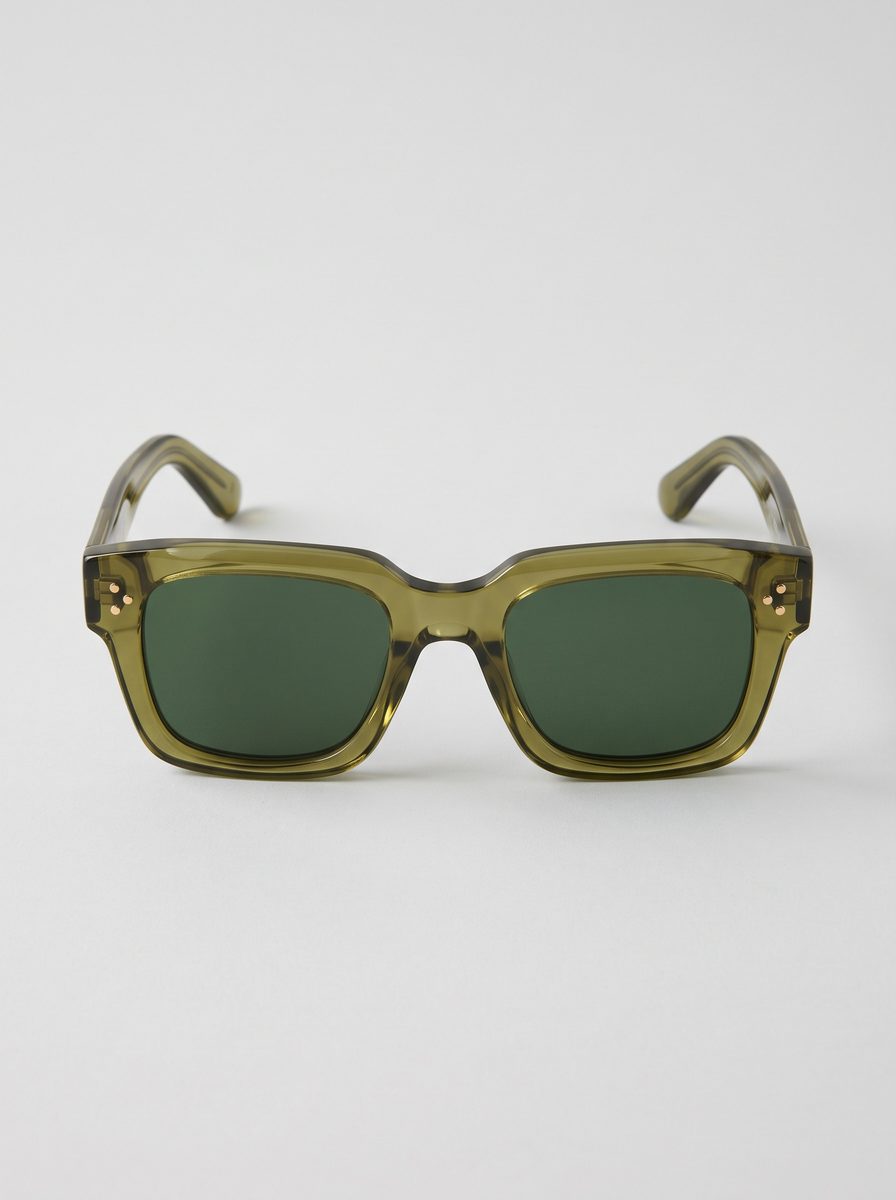
The starting point: one clear photo of the frame on a plain background.
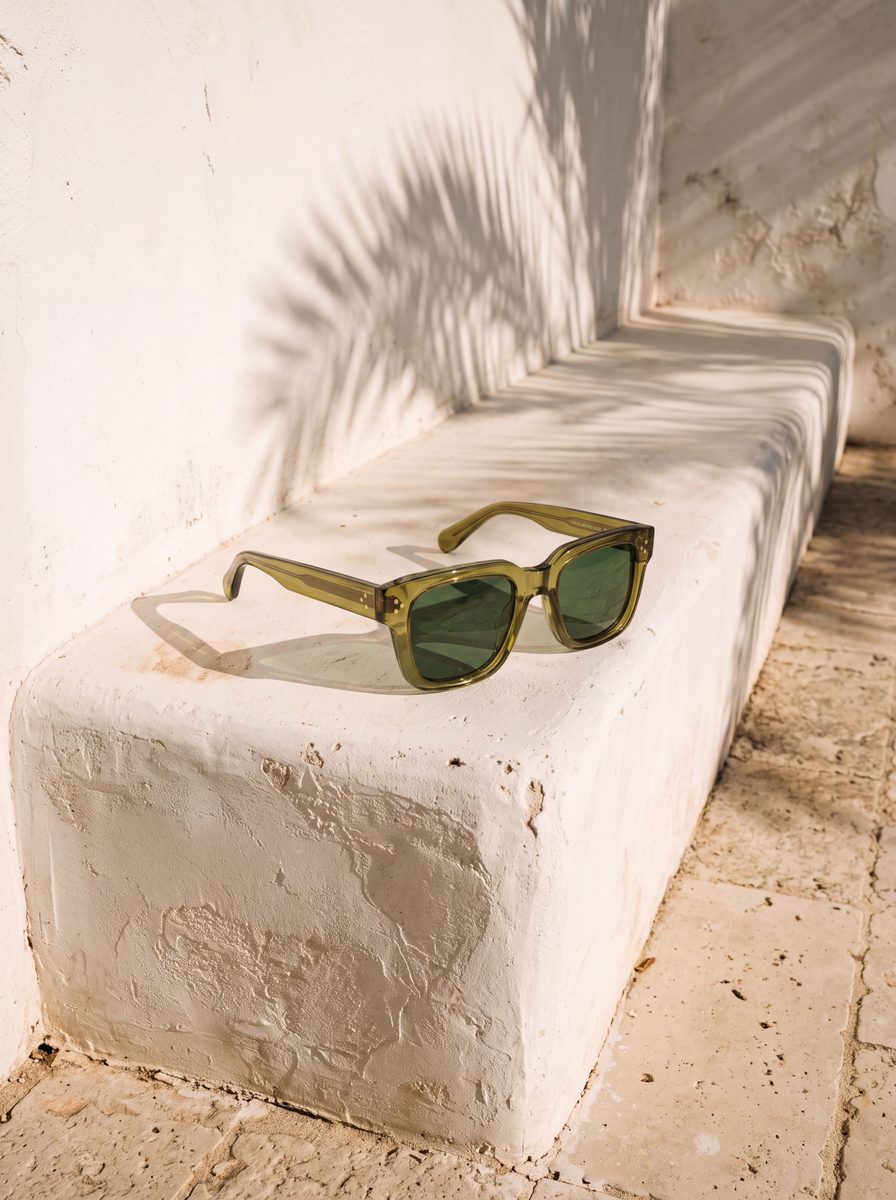
Studio shot without a model: sunlight passes through the translucent acetate and casts a green shadow on the ledge.
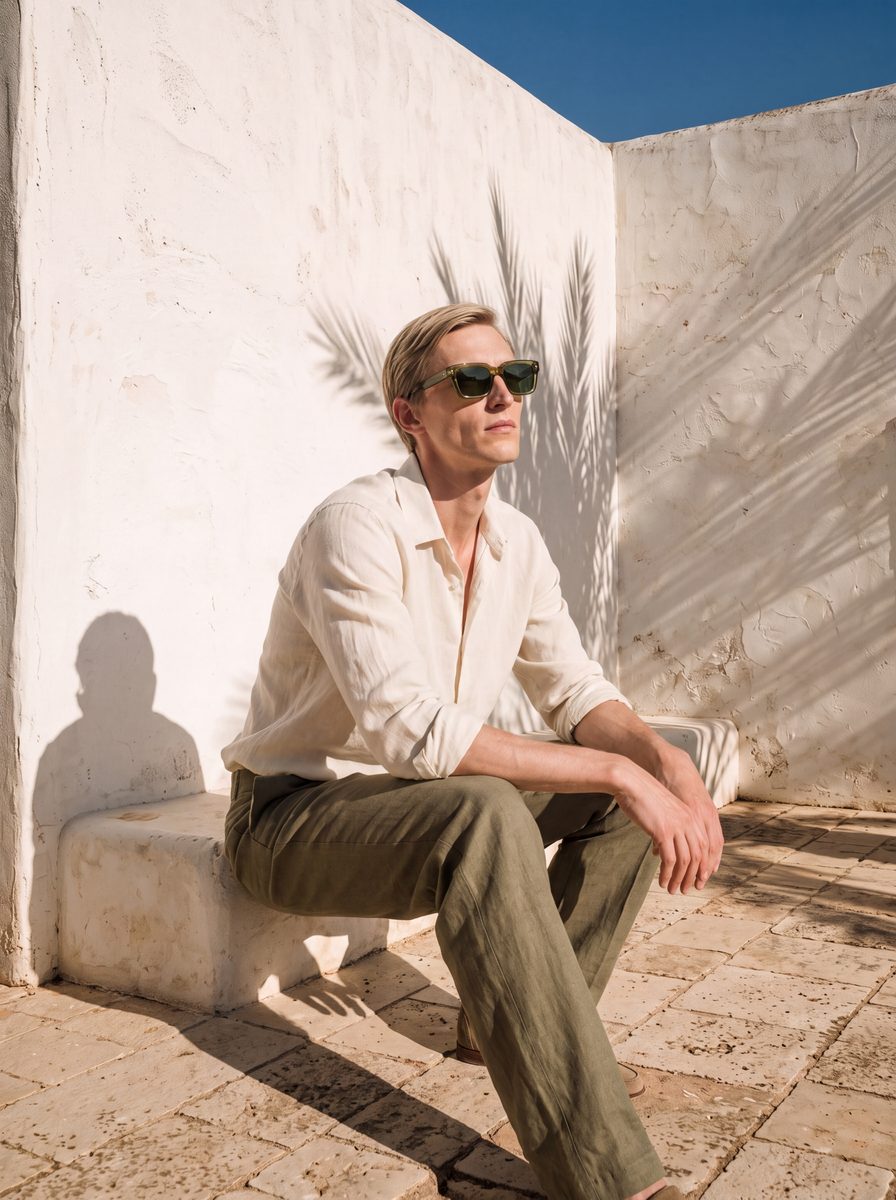
Studio shot on model: same terrace, same palm shadows. The frame sits at its true size on the face.
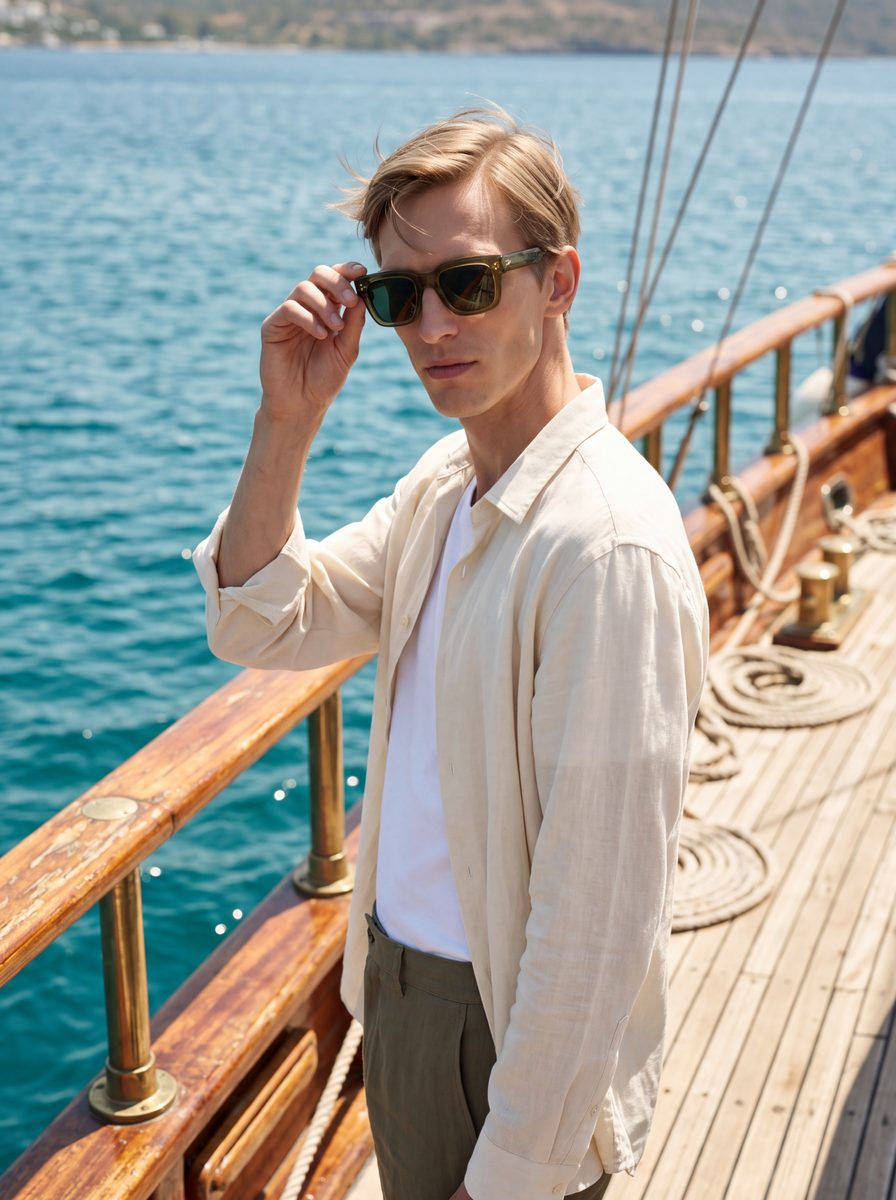
Lifestyle: the same model on a gulet deck in Bodrum, touching the temple of the frame in a natural gesture.
Rather not do it yourself?
If you have a full eyewear collection, our team can produce the whole series for you: main images, on-face and lifestyle shots, and short ad films. Email [email protected] with your product count. How our done-for-you service works
Frequently asked questions
What is the best main image for glasses? A straight front view with the temples open, centered on a clean light background. Use the three-quarter angle as the second image.
How do I avoid reflections in glasses photos? In a traditional shoot you use large diffused light sources and tilt the frame slightly. With AI, start from a clean reference photo with soft light; the generated scene builds its own lighting and reflections.
Can AI put glasses on a model? Yes. From one clear product photo, an AI studio like NOX can generate the frame worn by a model, front and three-quarter. Check that the frame's size on the face matches its real measurements.
How should I photograph transparent frames? Use a light gray or soft colored background instead of pure white so the edges of the clear acetate stay visible.
How much does AI eyewear photography cost? NOX plans start at $22 a month, and everyone gets free generations at signup with no card required. For large collections, our team can produce the whole series for a custom quote.
Ready to create your own shoots?
Studio, model and campaign visuals from a single product photo.
Rather not do it yourself? We'll produce it for you.
ServiceSend us your products and our team creates and delivers the photos and ad videos for you. We have delivered catalog series of hundreds of products and realistic ad films for jewelry and apparel brands.
How it works